AI Practice
Where AI is used, where it is not, and how each image is labeled.
What it does
AI works the production layer, not the poster: local models (LM Studio, 70B-class) so client files never leave the machine, Claude Desktop agents for research and file triage, batch pipelines for asset prep and QA. Layout, type, color, and the conversation with the client are done by hand.
Staged scenes, real work
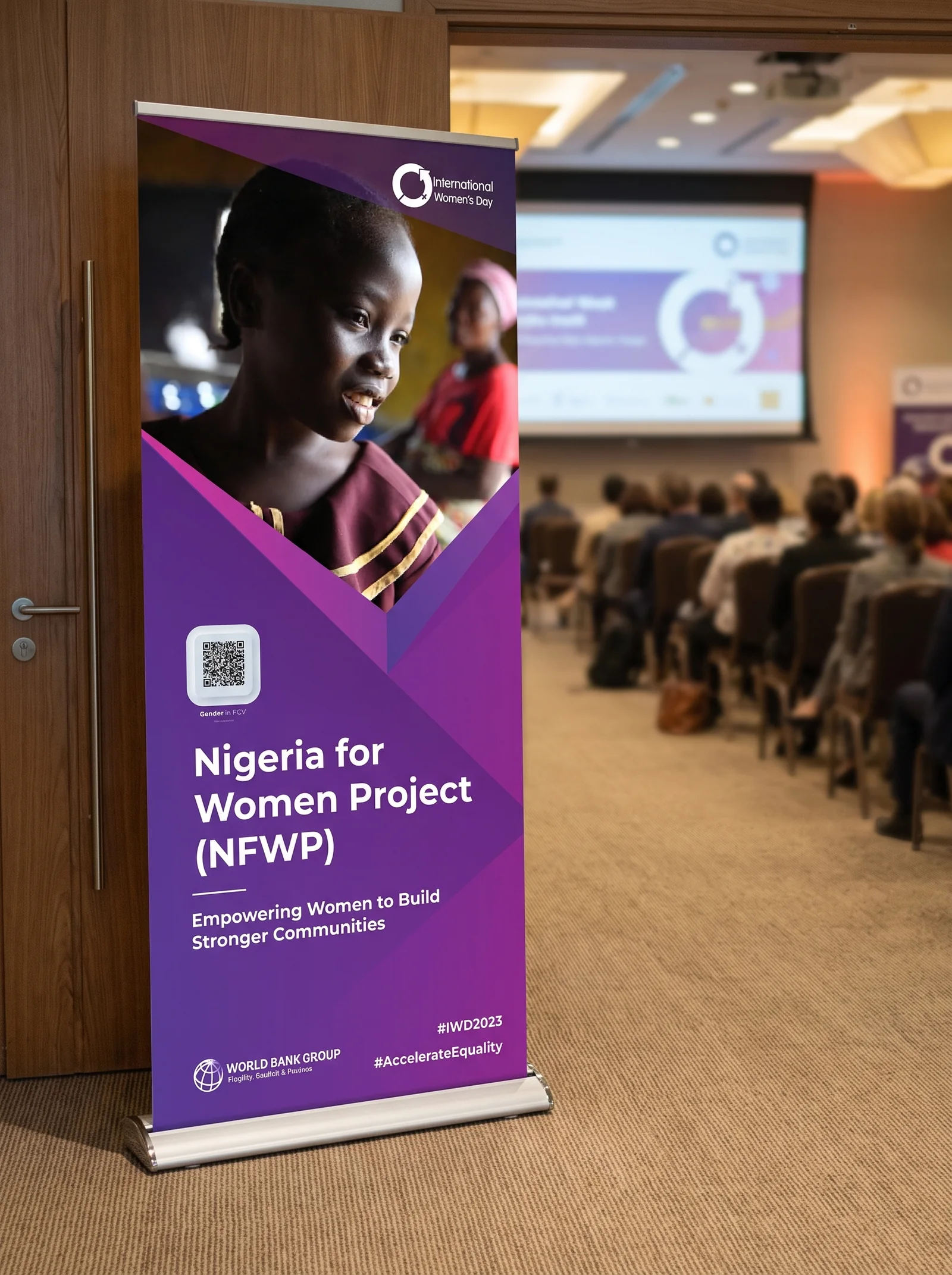
The scenes on this site are made by an image model under art direction: the delivered artwork goes in flat and comes back on a desk, a wall, an easel. Everything inside the scene is the real file; the room is staged, and the label says so.

The archive pipeline
An agent pipeline audited 282 archive files with SHA-256 checksums, composited the real artwork deterministically, and rejected 16 damaged cutouts in QA. Every image traces to a ledger entry: source, checksum, transformation, label.
The portrait, two layers
The About page shows the portrait as two layers with working eyes: the generated headshot on top, the phone photo it came from underneath. When a real photo session happens, that photograph takes the slot.
This site
Hand-authored HTML and CSS presented as the designer's own workspace, assembled with coding agents under art direction and checked by a scripted verification rig. No framework, no cookies. The Ask box is a local index of the résumé and the project pages, not a model.
Where the line is
No client artwork or text was ever generated or altered by a model. AI stages the rooms; every staged scene is labeled; the one AI face has its reference photo beside it.